Using Outdoor Dehumidifiers to Protect Your Home from Mold
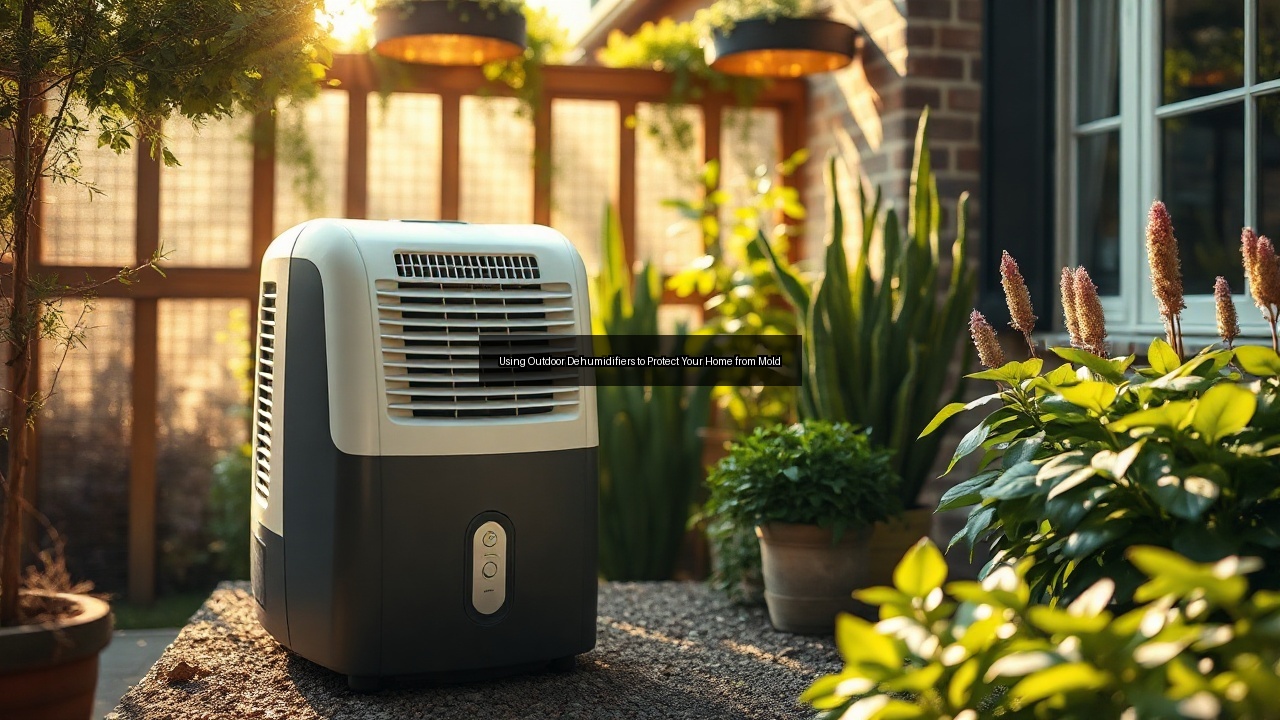
Understanding Outdoor Dehumidifiers
What Is an Outdoor Dehumidifier?
An outdoor dehumidifier is a specialized device designed to extract excess moisture from the air outside your home, creating a healthier environment. Unlike traditional indoor dehumidifiers, these units are built to withstand outdoor conditions while efficiently managing humidity levels. They typically feature robust construction, ensuring longevity against elements such as rain, dust, and varying temperatures. These dehumidifiers can be particularly beneficial in areas with high humidity, like coastal regions or places prone to heavy rainfall. By maintaining optimal humidity levels, outdoor dehumidifiers help protect your home’s structural integrity and minimize the risk of mold growth.
In addition, outdoor dehumidifiers can be particularly advantageous for outdoor living spaces such as patios, decks, and poolsides, where humidity can make these areas uncomfortable. By controlling moisture in these spaces, homeowners can enjoy their outdoor environments without the constant worry of dampness and its associated issues.
How Outdoor Dehumidifiers Work
Outdoor dehumidifiers function through a straightforward yet effective process. First, they draw in humid air using a fan. Once inside, the air passes over cold coils that cool it down, causing moisture to condense into water droplets. This moisture then collects in a tank or drains away automatically. Many outdoor dehumidifiers utilize a compressor, which is crucial for the cooling process, and a fan to ensure continuous airflow. The most efficient models can remove several gallons of moisture per day, making them ideal for environments where humidity levels frequently exceed 60 percent. The combination of these components ensures effective dehumidification, providing a healthier outdoor environment.
Moreover, some models come equipped with advanced features such as built-in hygrometers that monitor humidity levels in real-time. This enables the unit to adjust its operation based on current conditions, ensuring efficient moisture removal without excessive energy consumption. Additionally, many outdoor dehumidifiers include programmable timers and remote controls, adding convenience for homeowners who want precise control over their humidity management.
Importance of Humidity Control for Homes
Controlling humidity is essential for maintaining a healthy home. High humidity levels encourage the growth of mold, mildew, and dust mites, which can trigger allergies and respiratory issues. Additionally, excessive moisture can damage building materials, leading to costly repairs. Outdoor dehumidifiers play a crucial role in managing humidity levels, particularly in spaces like basements, crawl spaces, and outdoor structures. By regulating humidity, homeowners can prevent structural damage and ensure a more comfortable living environment. Maintaining appropriate humidity levels also enhances air quality, making it vital for households with children or individuals with health concerns.
Furthermore, effective humidity control can also protect outdoor furniture and equipment. Items like wooden furniture, grills, and outdoor electronics can be adversely affected by moisture, leading to deterioration and a shorter lifespan. Keeping humidity levels in check not only contributes to better health but also preserves the quality of outdoor investments.
Choosing the Right Outdoor Dehumidifier
Factors to Consider: Capacity and Size
Selecting the appropriate outdoor dehumidifier involves assessing several key factors, primarily capacity and size. The capacity of a dehumidifier is typically measured in gallons per day (GPD), indicating how much moisture the unit can remove from the air daily. For effective humidity control, homeowners should choose a dehumidifier with a capacity that matches the size and humidity level of the area it will serve. For larger outdoor spaces or areas with significant humidity, a high-capacity model is necessary. Additionally, consider the physical size of the unit to ensure it fits well in your designated area without obstructing pathways or outdoor aesthetics.
It's also important to evaluate the humidity levels of your specific environment. Homes in coastal areas or regions with heavy rainfall may require a more powerful dehumidifier compared to drier climates. Consulting with a professional or utilizing online calculators can help determine the right capacity needed for your space.
Energy Efficiency Ratings: Understanding Energy Star
Energy efficiency is a crucial consideration when purchasing an outdoor dehumidifier. Look for models with Energy Star ratings, which indicate that the unit meets rigorous energy efficiency guidelines set by the U.S. Environmental Protection Agency. Energy-efficient outdoor dehumidifiers not only help save on electricity bills but also reduce the overall environmental impact. These models typically utilize advanced compressor technology and smart humidity sensors to optimize performance while consuming minimal energy. Investing in an Energy Star-rated dehumidifier offers long-term savings and supports sustainable practices.
Additionally, some manufacturers may provide estimates on the annual energy costs for operating their units, allowing consumers to make informed decisions based on their budget and energy consumption goals. Understanding the total cost of ownership—including both purchase price and ongoing energy costs—can significantly impact your final decision.
Best Outdoor Dehumidifiers on the Market
Several outdoor dehumidifiers stand out in the market for their performance and reliability. The hOmeLabs 4000 Sq. Ft Dehumidifier is popular for its high capacity and energy efficiency, making it suitable for large spaces. Another excellent option is the Vremi 70 Pint Dehumidifier, which effectively removes moisture while operating quietly, perfect for residential areas. The Frigidaire 50-Pint Dehumidifier offers a balance of performance and size, ideal for smaller outdoor areas. Reviews and ratings can provide further insights into the best models available, ensuring homeowners choose a dehumidifier that fits their specific needs and humidity levels.
In addition to these models, some brands like Danby and Midea also offer innovative outdoor dehumidifiers with unique features such as Wi-Fi connectivity, allowing users to monitor and control the dehumidifier remotely via smartphone apps. This added convenience can be particularly useful for homeowners who travel frequently or have busy schedules.
Installation and Maintenance Tips
Optimal Placement for Maximum Efficiency
Proper placement of your outdoor dehumidifier significantly impacts its efficiency. Position the unit in an area where it can easily draw in humid air, away from obstructions like walls, fences, or large furniture. Ensure there’s ample space around the unit for airflow. If your dehumidifier has a drainage option, place it near a suitable drainage point to facilitate quick moisture removal. Additionally, avoid placing the unit in direct sunlight, as excessive heat can hinder its performance. By strategically positioning the dehumidifier, you can maximize its effectiveness in reducing humidity levels in your outdoor spaces.
Consider using the dehumidifier in conjunction with fans to enhance air circulation, which can further boost its efficiency. If the outdoor area is enclosed, ensuring proper air dehumidifiers ventilation will work hand-in-hand with the dehumidifier to maintain a balanced humidity level throughout the space.
Regular Maintenance Practices
Regular maintenance is essential for ensuring the longevity and effectiveness of your outdoor dehumidifier. Clean the air filter regularly to prevent dust and debris buildup, which can restrict airflow and reduce efficiency. Check and empty the water tank frequently if not using a continuous drainage option, as a full tank can lead to automatic shut-off. Inspect the coils for ice buildup, especially in cooler temperatures, as this can impair function. Additionally, look for any signs of wear and tear on hoses or connections. Keeping the unit clean and well-maintained prolongs its lifespan and enhances performance.
In addition to these practices, consider scheduling an annual professional inspection for your dehumidifier, particularly if it operates continuously throughout the humid season. Professionals can assess its performance and efficiency, ensuring it operates at optimal levels.
Understanding Warranty and Support Options
Before finalizing your purchase, review the warranty and support options available for the outdoor dehumidifier. Most reputable brands offer warranties that cover parts and labor for a specified period, typically ranging from one to five years. Understanding the warranty terms helps protect your investment and provides peace of mind. Additionally, check for customer support options, such as online resources, customer service contacts, and service centers. Reliable support ensures you can address any issues promptly, maintaining the efficiency and durability of your dehumidifier.
It's also beneficial to read customer reviews regarding the manufacturer's customer service experience, as this can provide insight into how responsive and helpful they are in resolving issues or answering questions.
The Role of Dehumidification in Mold Prevention
How Moisture Affects Indoor Environments
Excess moisture in indoor environments creates an ideal breeding ground for mold and mildew. When humidity levels rise above 60 percent, the risk of mold growth increases significantly. Mold can damage walls, furniture, and personal belongings, leading to costly repairs and health problems. Moreover, mold spores can circulate through HVAC systems, affecting air quality throughout the home. Effective dehumidification helps mitigate these risks by controlling humidity levels, making it a crucial component of a comprehensive mold prevention strategy. Regularly using an outdoor dehumidifier can significantly reduce the likelihood of mold infestations.
In addition to mold, high humidity levels can also attract pests like dust mites, cockroaches, and termites, which thrive in damp environments. Keeping humidity levels under control not only protects your home from structural damage but also contributes to a healthier living space free from allergens and irritants.
Dehumidification Systems vs. HVAC Solutions
Homeowners often wonder whether to invest in a dedicated dehumidification system or rely on existing HVAC solutions. While HVAC systems can help regulate temperature and humidity, they may not effectively handle high moisture levels, especially in humid climates. Outdoor dehumidifiers specifically target moisture removal, providing a more efficient solution for high-humidity areas. Combining both systems can yield the best results, as HVAC can maintain overall climate control while dehumidifiers focus solely on moisture management. This dual approach enhances indoor air quality and ensures comfort throughout the home.
Moreover, some modern HVAC systems include built-in dehumidification features, but these can be costly to install and may not be as effective as a dedicated outdoor dehumidifier. Homeowners should assess their specific needs and consider the cost-effectiveness of both options before making a decision.
Benefits of Keeping Rooms Dehumidified
Maintaining a dehumidified environment offers numerous benefits beyond mold prevention. Lower humidity levels enhance comfort, making living spaces feel cooler during hot months. Dehumidifiers can also reduce allergens in the air, such as dust mites and mold spores, leading to improved respiratory health. Additionally, controlling moisture helps preserve the integrity of wooden furniture and structural components, preventing warping and decay. Homeowners experience lower energy costs as dehumidified air feels cooler, reducing the need for excessive air conditioning. Overall, using an outdoor dehumidifier provides a healthier, more comfortable living environment.
Furthermore, a well-dehumidified space can contribute to improved mental well-being. High humidity can lead to feelings of discomfort and lethargy, while a controlled environment fosters a more pleasant atmosphere, enhancing productivity and relaxation for family members and guests alike. Investing in an outdoor dehumidifier is not just about maintaining property; it’s about enhancing the quality of life in your home.