Exploring the Top Brands of Automatic Lubrication Solutions on the Market
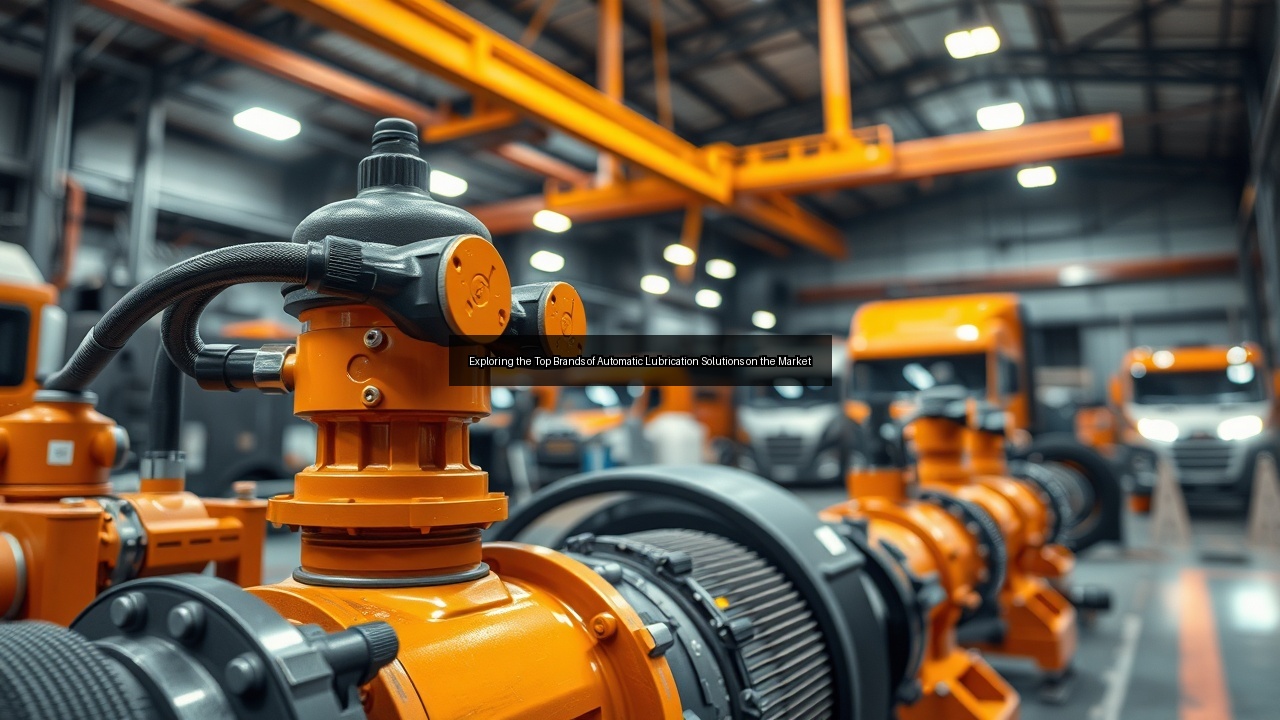
Understanding Automatic Lubrication Systems
The Importance of Automation in Lubrication
Automation transforms lubrication practices by delivering consistent lubricant doses to critical components without constant human intervention. Operators gain precise control over oil and grease distribution, which protects bearings from premature wear in demanding environments. Automatic lubrication systems eliminate manual errors that often lead to under- or over-lubrication, extending equipment life and boosting overall reliability. Companies across industries adopt these solutions to cut unplanned downtime while meeting strict production schedules. The shift toward automation also supports safer workplaces because technicians avoid hazardous zones during operation. With rising focus on efficiency, businesses integrate automatic lubrication systems into existing setups to streamline workflows and reduce labor demands. This approach proves especially valuable in continuous processes where even minor lubrication failures trigger costly stoppages.
How Automatic Lubrication Systems Work
An automatic lubrication system meters and dispenses lubricant at programmed intervals through a network of lines and fittings. A central pump draws oil or grease from a reservoir and pushes it toward individual points based on timer or sensor signals. The process ensures each bearing receives the exact quantity needed for optimal film thickness. Modern units incorporate feedback loops that adjust output according to load or temperature changes. Technicians set parameters once, then the system handles repeated cycles without further input. This automation replaces sporadic manual greasing that frequently misses points or applies inconsistent amounts. As a result, friction drops, heat generation decreases, and component life lengthens. Facilities running multiple machines benefit from centralized control panels that monitor all connected points simultaneously.
Key Components: Pumps and Connectors
Pumps form the heart of any automatic lubrication system by generating the necessary pressure to move lubricant through distribution lines. Electric, pneumatic, or hydraulic models suit different power sources and output requirements. Connectors link the pump outlet to progressive dividers or injectors that split flow accurately among multiple bearings. High-quality connectors resist vibration and temperature swings while preventing leaks that waste lubricant. Technicians select pump capacity based on the number of points served and the viscosity of the chosen lubricant. Proper sizing avoids both under-delivery during peak loads and excessive pressure that could damage seals. Regular inspection of these components keeps the entire network functioning at peak efficiency and supports long-term reliability across varied applications.
Top Brands of Automatic Lubrication Solutions
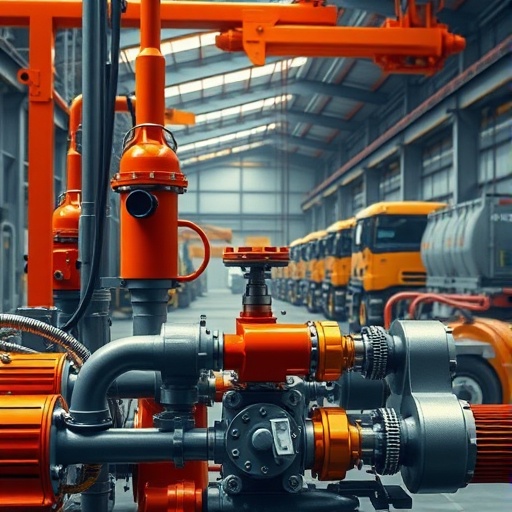
Brand A: Pioneering Automatic Lubricators
Brand A leads the market with robust automatic lubricators designed for continuous operation in harsh conditions. Their units feature modular designs that allow easy expansion when new lubrication points are added. Engineers at Brand A emphasize durable pumps capable of handling high-viscosity greases while maintaining steady pressure. Customers report fewer bearing failures after switching to these systems because delivery remains consistent regardless of ambient temperature fluctuations. The brand also offers compact models suited for tight equipment layouts common in manufacturing plants. By focusing on reliable connectors and clear sight glasses, Brand A reduces troubleshooting time during routine checks. Facilities seeking proven performance often select these automatic lubricators for both new installations and retrofits of older machinery.
Brand B: Innovative Greaser Technology
Brand B distinguishes itself through advanced greaser technology that incorporates electronic controls and remote monitoring capabilities. Their automatic lubrication systems use progressive distributors to deliver exact quantities of lubricant to each point without waste. Technicians appreciate the intuitive interface that displays real-time flow data and alerts for low reservoir levels. Brand B greasers handle both oil and grease applications, giving users flexibility when equipment requirements change. The company invests heavily in spray nozzles that ensure even coverage on open gears and chains. Users in heavy industry note improved uptime because the systems adapt delivery rates based on operating hours or load sensors. This innovation reduces the frequency of manual interventions while maintaining optimal lubrication films on critical surfaces.
Brand C: Reliable Lube Systems for Trucks and Trailers
Brand C specializes in lube systems built specifically for trucks and trailers that endure long hauls and varying road conditions. Their automatic lubrication solutions mount directly to chassis points and activate during vehicle operation to protect wheel bearings and fifth-wheel mechanisms. Fleet managers value the weatherproof enclosures that shield pumps from road spray and debris. Brand C designs emphasize quick-connect fittings that speed installation across mixed vehicle fleets. Drivers experience fewer repairs because consistent lubrication prevents dry running that accelerates component wear. The systems also track lubricant consumption, helping maintenance teams schedule refills during regular service stops. Many operators report measurable drops in maintenance costs after equipping their trucks and trailers with these dependable lube solutions.
Applications and Benefits of Automatic Lubrication
Optimal Performance in Data Centers
Data centers rely on automatic lubrication systems to keep cooling fans, pumps, and backup generators running without interruption. Precise lubricant delivery protects high-speed bearings that operate around the clock under strict temperature controls. Facility managers integrate these systems with building automation platforms so lubrication events coincide with low-load periods. The result is sustained reliability that prevents unexpected outages affecting critical IT infrastructure. Automatic lubrication systems also minimize airborne contaminants by enclosing delivery lines, supporting the cleanroom standards required in server halls. Operators notice reduced vibration levels once consistent lubrication eliminates metal-to-metal contact. This application demonstrates how targeted automation supports both equipment longevity and the stringent uptime demands of modern data centers.
Enhancing Reliability in Compressors
Compressors demand steady lubrication to maintain compression efficiency and prevent overheating in cylinders and bearings. An automatic lubrication system supplies oil at the exact pressure and quantity needed during varying load cycles. Plants that install these systems report fewer compressor repairs because lubricant reaches every point before friction causes damage. Technicians program delivery schedules that match duty cycles, avoiding both starvation during peak operation and flooding during idle times. Brand-specific controllers often link directly to compressor controls for synchronized performance. This integration improves overall reliability while lowering energy consumption caused by excessive friction. Facilities handling continuous air or gas compression find automatic lubrication systems essential for meeting production targets without frequent shutdowns.
Reducing Maintenance Costs and Repair Needs
Automatic lubrication systems deliver measurable savings by cutting manual labor hours and extending component life. Consistent lubricant application reduces bearing replacements and unplanned repairs that previously disrupted operations. Maintenance teams shift focus from reactive fixes to proactive monitoring because the systems flag issues early through integrated sensors. Lower lubricant consumption occurs when delivery matches actual requirements rather than relying on guesswork. Over time, facilities document significant drops in repairs and maintenance expenses across fleets and production lines. The reduction in downtime alone often justifies the initial investment within the first year of operation. Companies that track these metrics consistently choose automatic lubrication systems to control long-term ownership costs while maintaining high equipment availability.
Choosing the Right Automatic Lubrication System
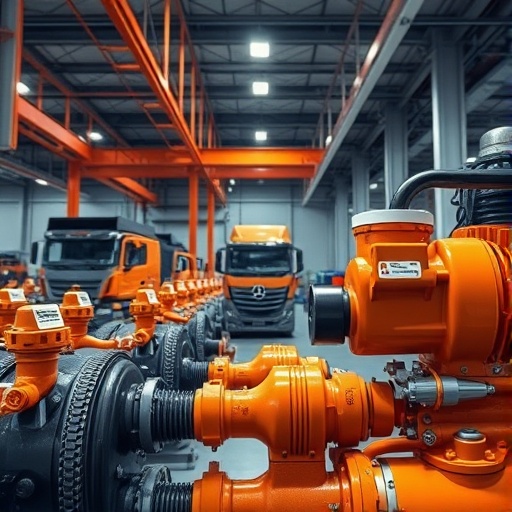
Factors to Consider: Pressure and Quantity
Selection begins with matching system pressure capabilities to the resistance of distribution lines and fittings. Higher pressure models handle long runs or viscous lubricants effectively, while lower-pressure units suit simpler layouts. Quantity settings determine how much lubricant reaches each bearing during every cycle, directly affecting film thickness and wear rates. Engineers calculate total demand based on bearing size, speed, and operating hours before specifying pump output. Adjustable injectors allow fine-tuning after installation to accommodate changes in equipment usage. Proper pressure and quantity balance prevents both under-lubrication that leads to failures and over-lubrication that attracts contaminants. Reviewing manufacturer guidelines for each application ensures the chosen automatic lubrication system performs reliably from day one.
Comparing Grease Systems vs. Oil Systems
Grease systems excel in applications where lubricant must stay in place, such as vertical shafts or exposed components subject to washout. They require fewer reservoir refills and provide better sealing against contaminants. Oil systems offer superior cooling and filtration options, making them preferable for high-speed or high-temperature equipment like compressors. Automatic lubrication systems using oil often incorporate recirculation features that extend fluid life. Decision makers evaluate operating temperature ranges, contamination risks, and maintenance access when choosing between the two. Some installations combine both technologies for different machine sections. Understanding these trade-offs helps facilities select the lubrication approach that delivers the best balance of performance, cost, and service intervals.
Condition Monitoring for Effective Maintenance
Condition monitoring integrates sensors into automatic lubrication systems to track flow, pressure, and reservoir levels in real time. Alerts notify technicians of blockages or low lubricant before equipment damage occurs. Data logs support predictive maintenance strategies that schedule interventions based on actual usage rather than fixed calendars. Facilities using these tools report higher reliability because small issues receive attention before they escalate into major repairs. Wireless options allow remote oversight of multiple systems across large sites. By combining condition monitoring with automatic lubrication, operators gain visibility into both lubricant delivery and component health. This proactive stance reduces overall maintenance costs while maximizing equipment uptime across diverse industrial settings.
See Also
- How Automatic Lubrication Systems Enhance Reliability in Heavy-Duty Trucks
- Choosing the Right Automatic Lubrication System for Your Compressor Needs
- From Maintenance to Automation Discover the Benefits of Lube Systems
- Revolutionizing Maintenance with Automatic Lubrication Systems for Maximum Efficiency
- The Science of Pressure and Quantity in Effective Automatic Lubrication